How to Improve Time Management in Chess
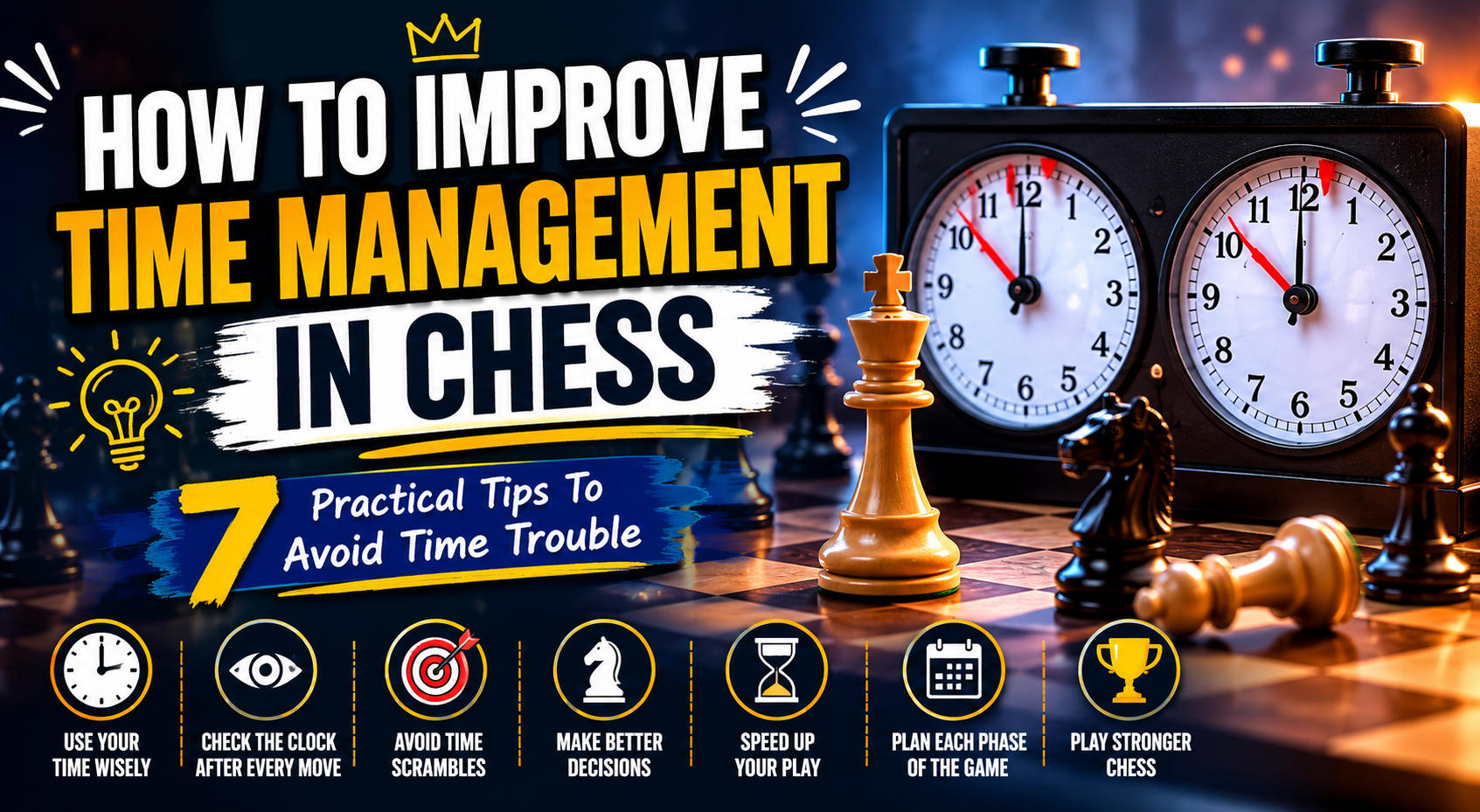
Discover practical chess time management tips to avoid time scrambles, improve clock usage, and play stronger rapid and classical chess games.
Expert tips, strategies & time-control guides for every level
26 articlesDiscover practical chess time management tips to avoid time scrambles, improve clock usage, and play stronger rapid and classical chess games.
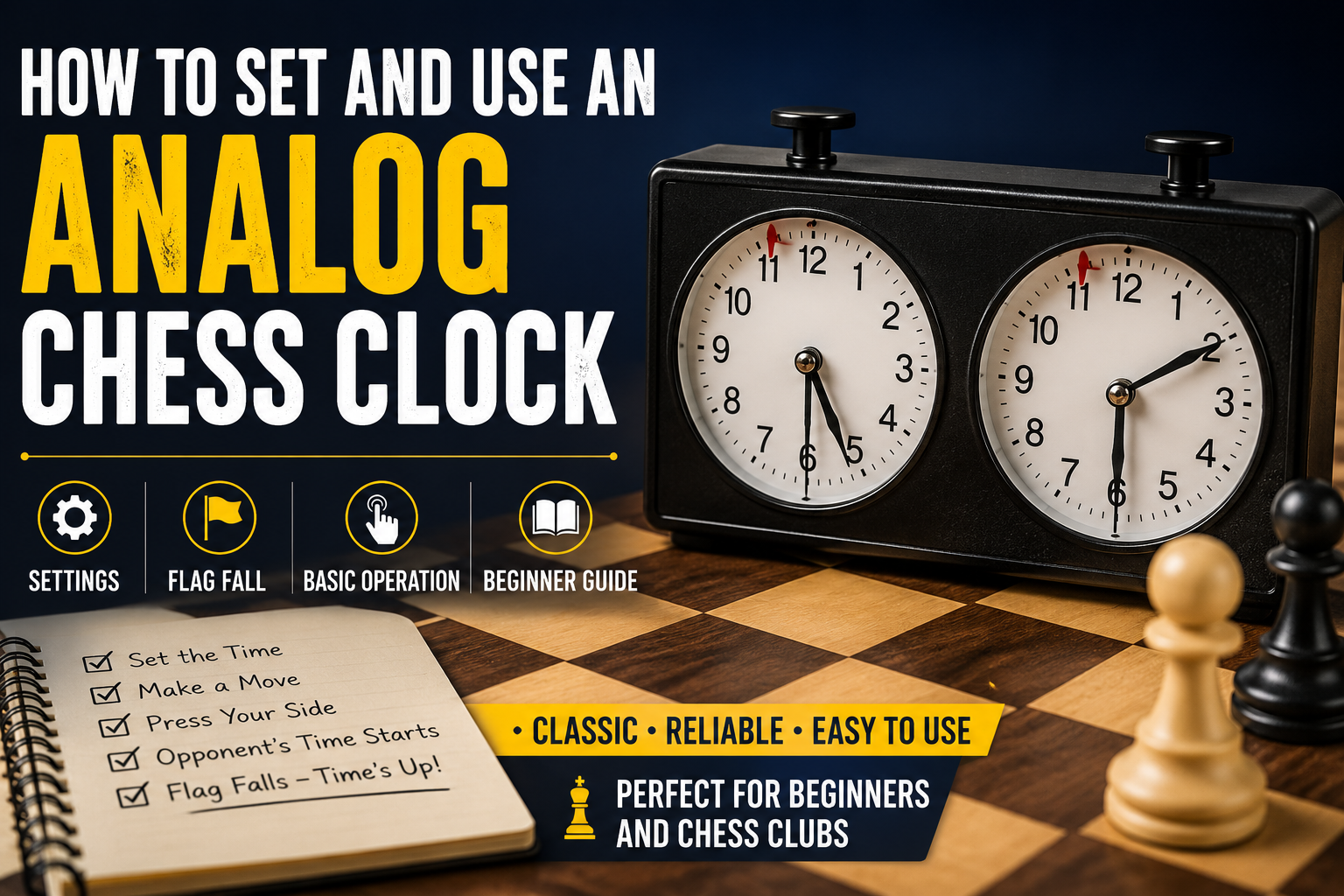
Beginner guide on how to use an analog chess clock, set chess timer controls, understand flag fall, and compare classic analog chess clocks.
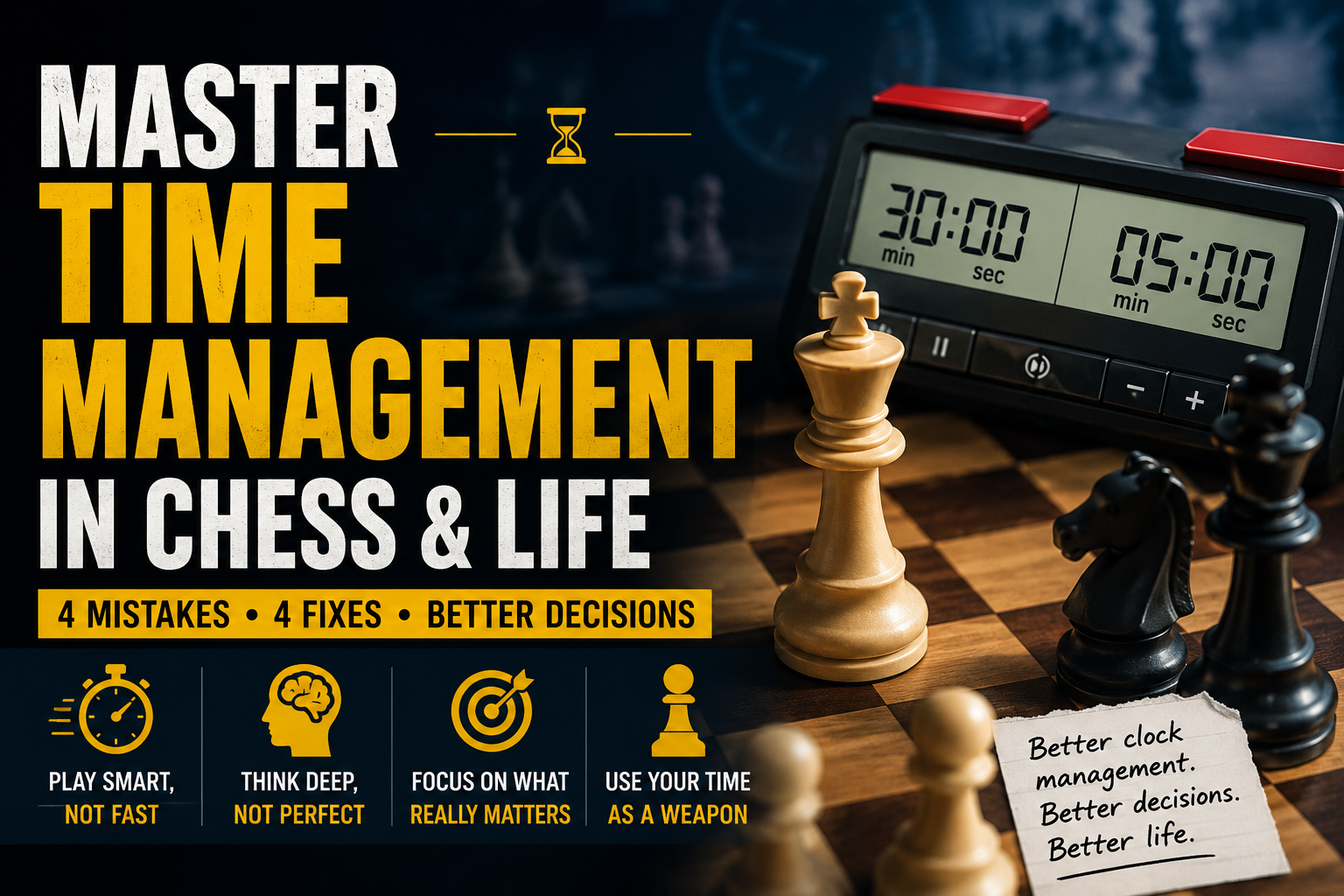
Discover the biggest chess time management mistakes, how to avoid time trouble, and why chess clock strategy improves decision making in life.
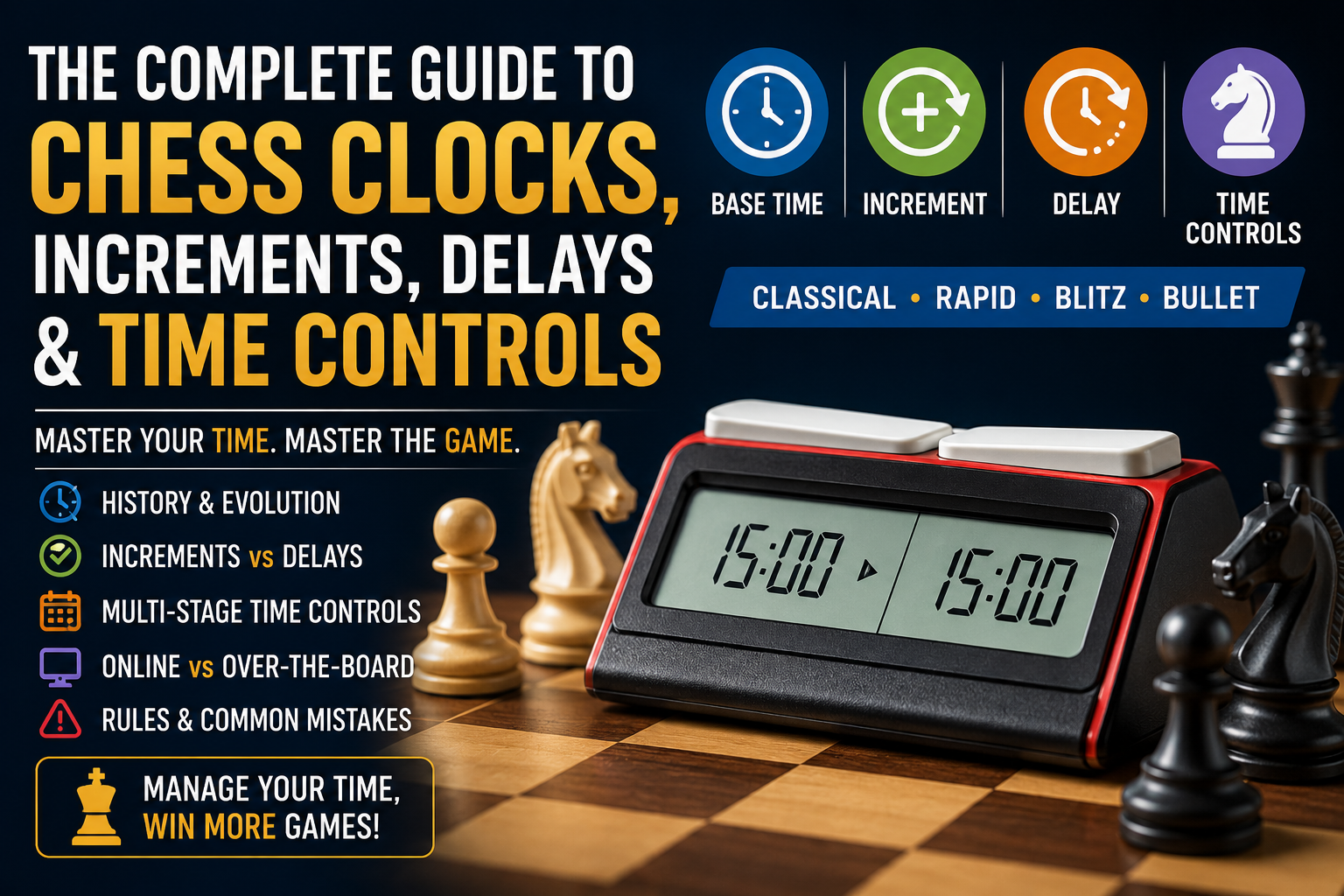
Learn chess clocks, increments, delays, blitz timers, FIDE rules, and online chess time controls in this complete beginner guide.
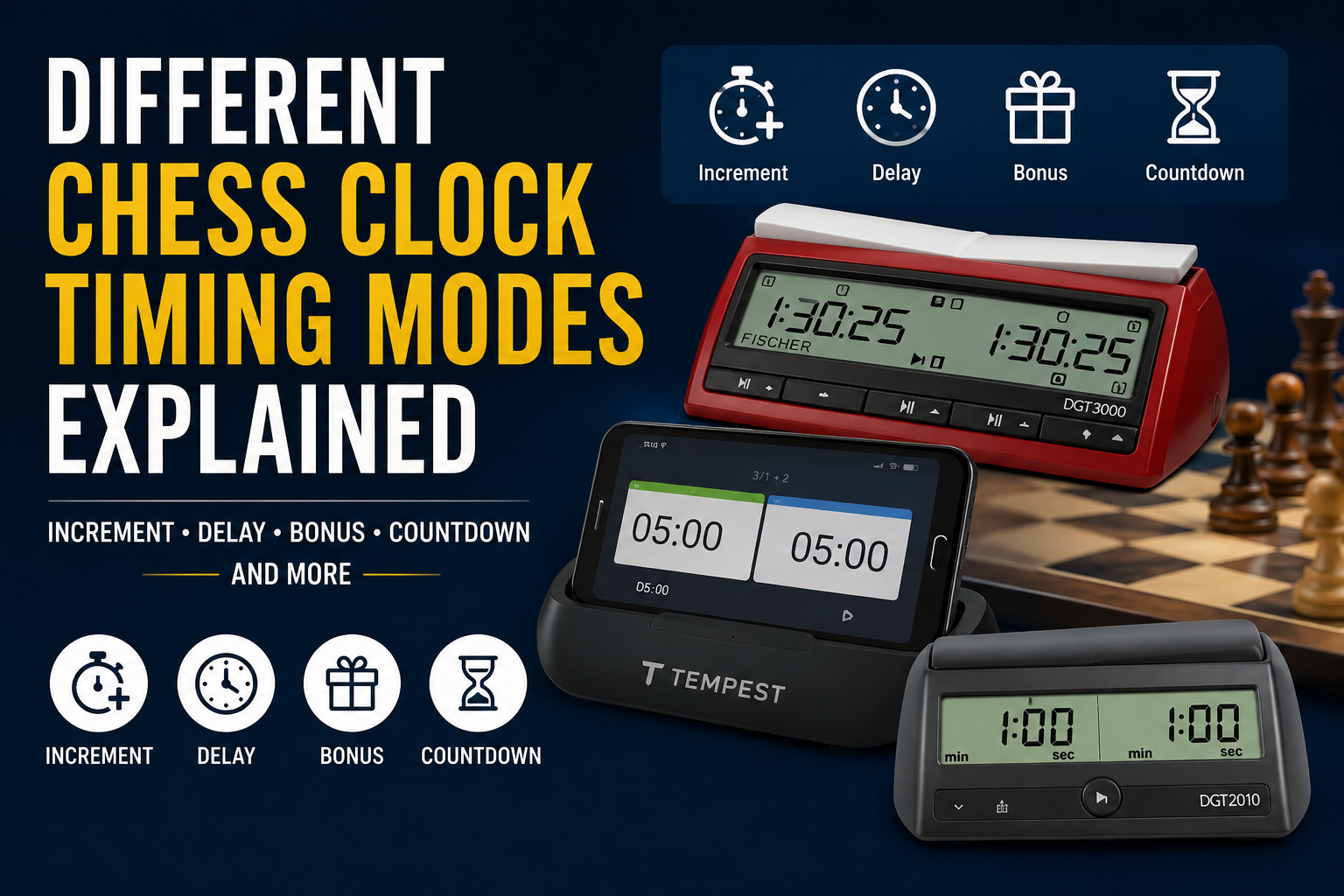
Learn about different chess clock timing increment modes, DGT tournament clocks, Tempest chess clocks, delay systems, and chess timer apps.
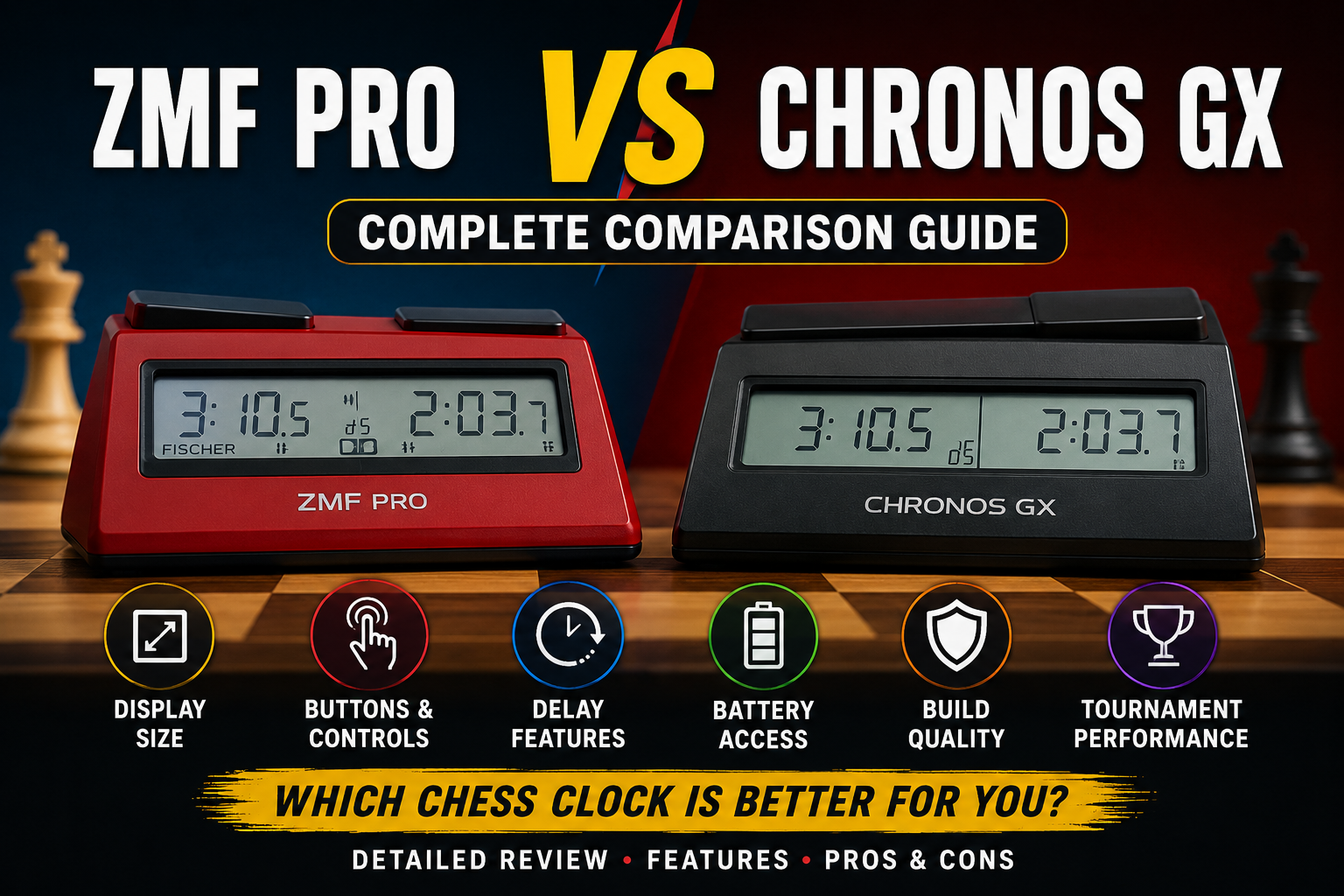
Compare ZMF Pro vs Chronos GX chess clocks in this detailed review covering display, buttons, delay features, build quality, and tournament perfo…
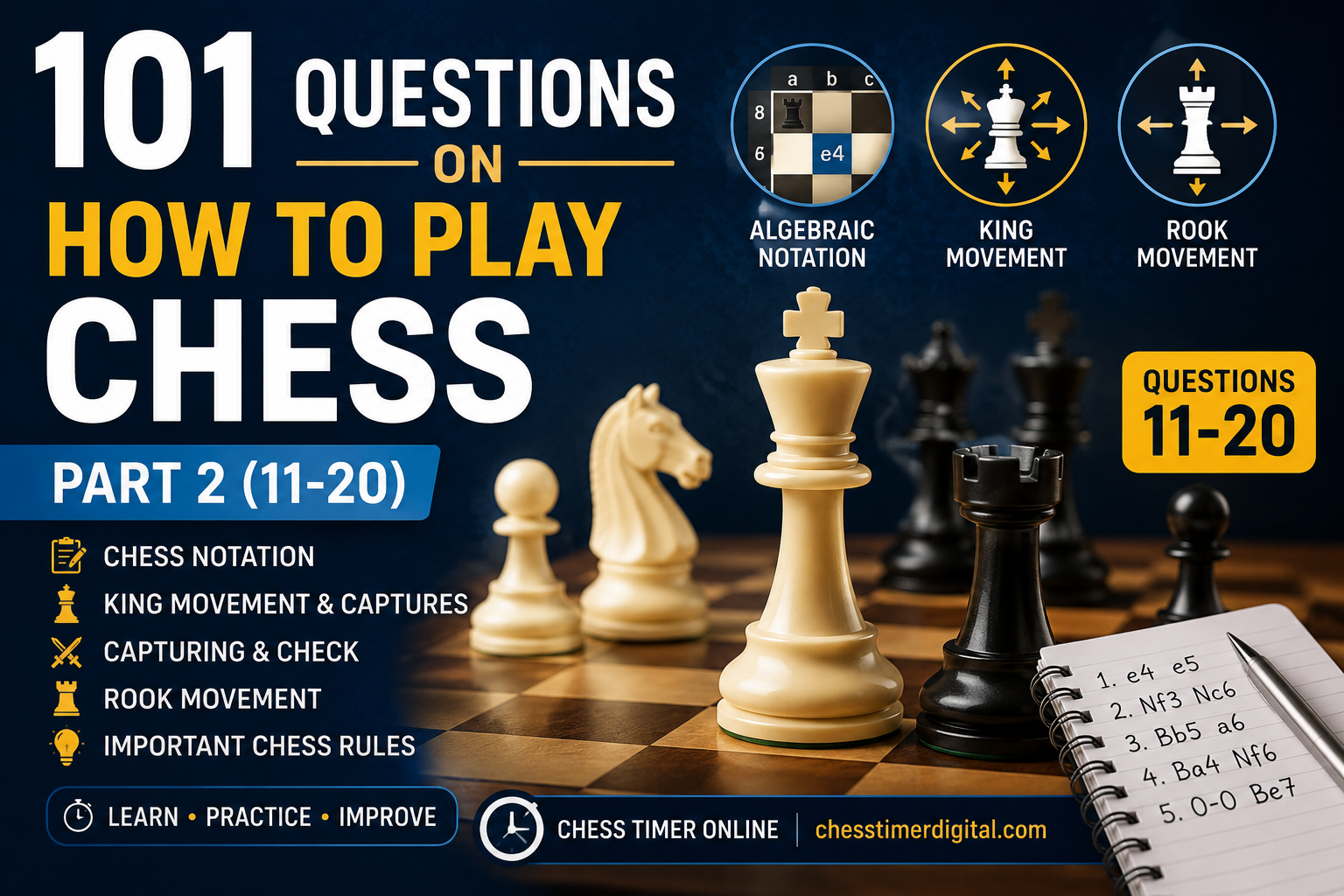
Learn algebraic chess notation, captures, checks, King moves, and Rook movement in this beginner chess tutorial.
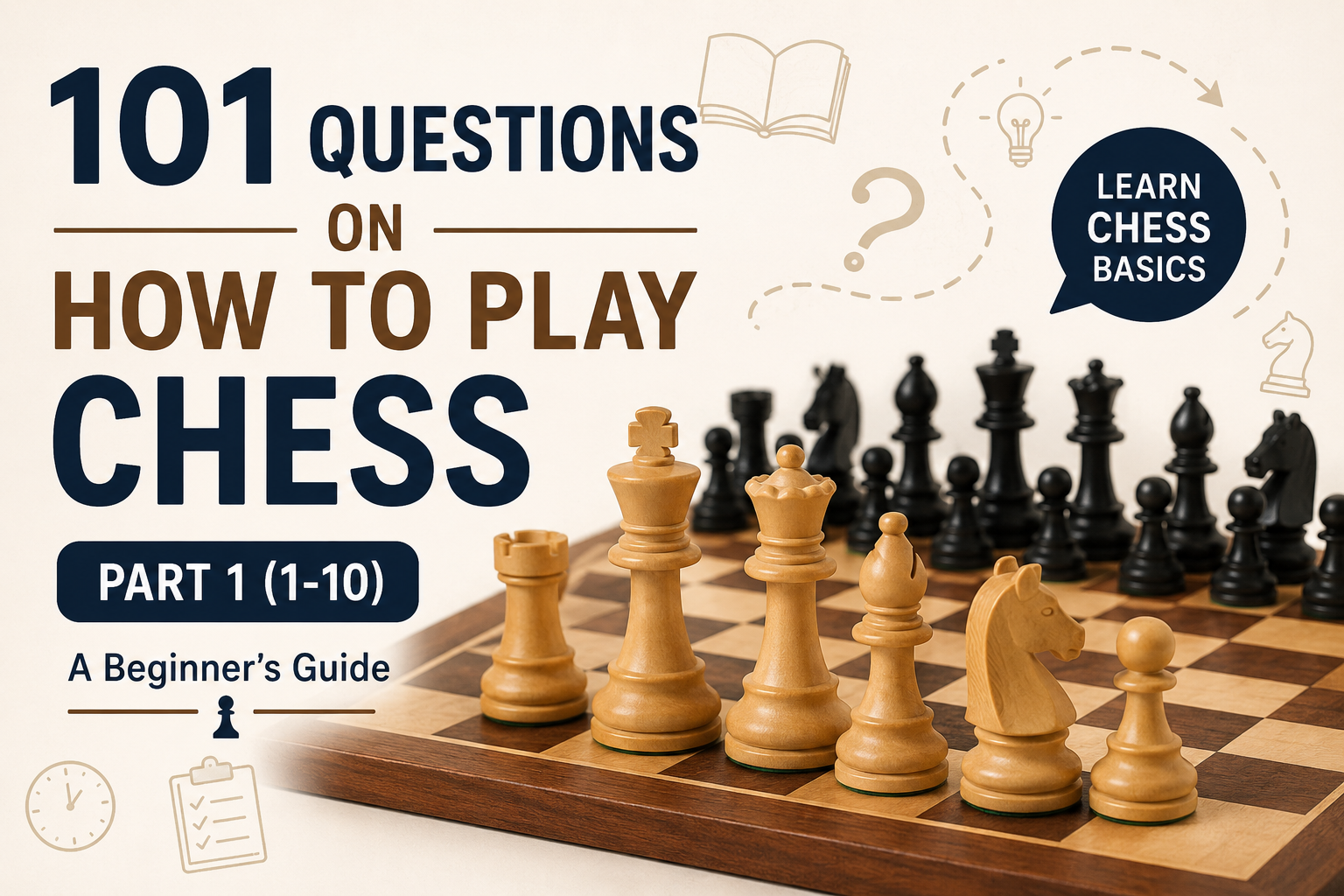
Learn the basics of chess with the first 10 beginner questions and answers covering rules, board setup, chess pieces, and notation.
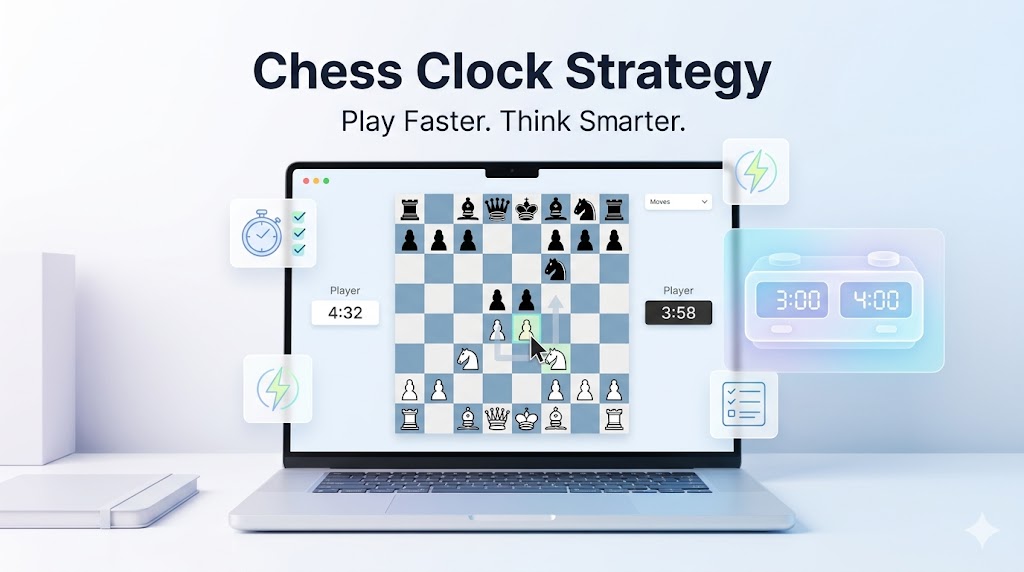
Chess clock strategy for beginners starts with one truth: pressing the clock correctly wins half the battle.
How to win on time in chess feels cheeky — but it's completely legal and smart.
Wondering about online chess clock vs physical clock? Both time your games, but they serve different worlds.
How to manage time in blitz chess separates survivors from the flagged. Poor clock use costs more games than bad positions.